How to Safely Store Your Luxury Jewelry Collection
The acquisition of fine jewelry represents a significant investment in both material value and artisanal craftsmanship. To maintain the structural integrity and aesthetic quality of these assets over time, it is necessary to implement a systematic preservation strategy. Proper care involves understanding the specific environmental and physical requirements for various precious metals and gemstones.
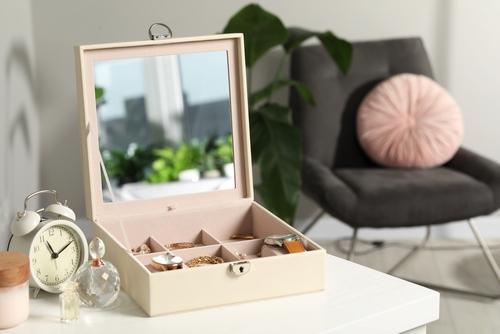
A curated collection requires more than a simple velvet box; it demands a controlled environment where light, humidity, and organization coexist. Proper stewardship ensures that your precious metals and gemstones remain as radiant as the day they were first unveiled.
Selecting Premium Jewelry Storage Solutions
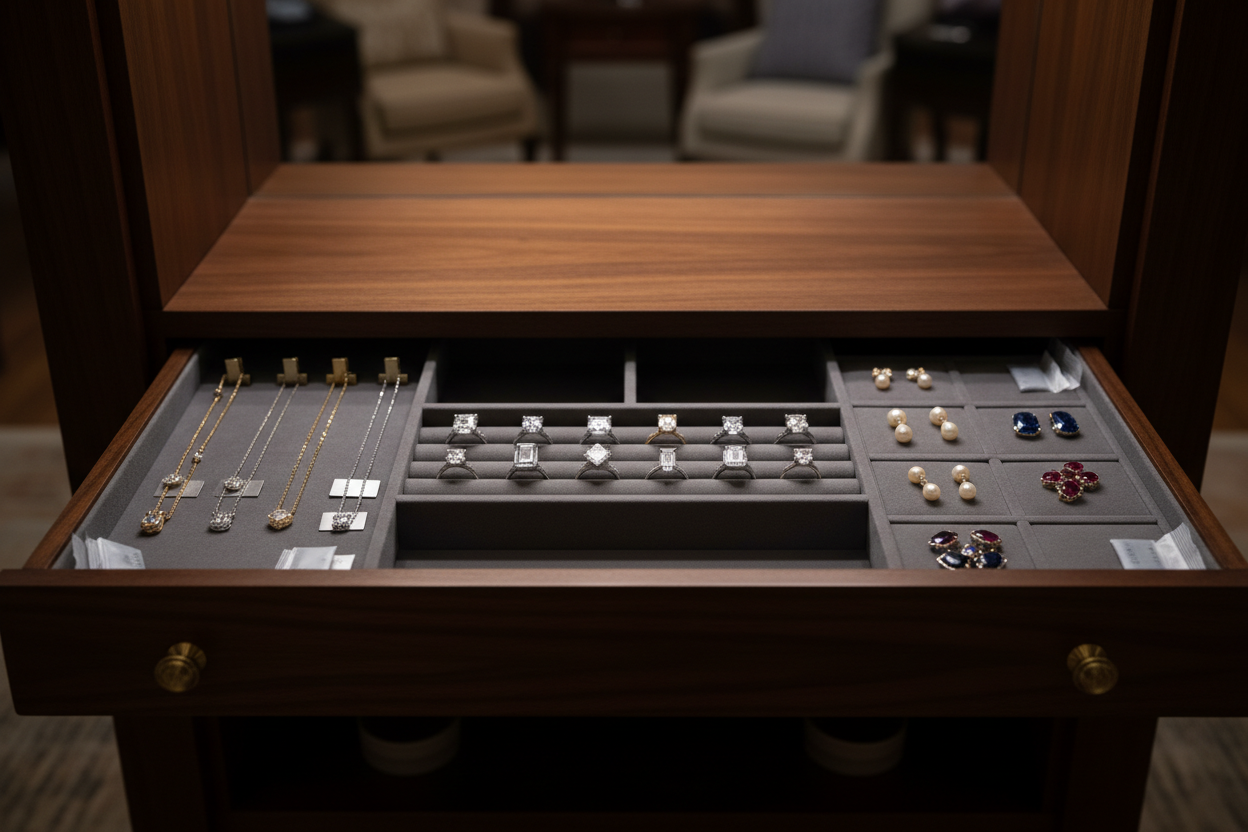
The foundation of any preservation strategy begins with the physical housing of your collection. High-quality jewelry storage solutions are designed to prevent the accidental abrasions that occur when hard gemstones, such as diamonds, come into contact with softer metals or pearls. Each piece should occupy its own dedicated compartment, lined with non-abrasive fabrics like washed silk or specialized microfiber to maintain the integrity of the finish.
Environmental Controls to Preserve Fine Jewelry
Environmental factors like temperature and humidity are critical for preserving fine jewelry, as fluctuations can loosen settings or degrade materials. To maintain your collection, store it in a cool, dark location away from direct sunlight and use climate-controlled safes or silica gel packets to regulate moisture, preventing oxidation of metals and cracking of organic gems.
The Importance of Anti-Tarnish Jewelry Storage
Tarnish is a chemical reaction that occurs when metals react with sulfur and moisture in the air. Investing in anti-tarnish jewelry storage is a proactive way to shield your sterling silver and lower-karat gold pieces from this dulling effect. Many modern jewelry chests now feature specialized tarnish-resistant linings that neutralize the gases that cause corrosion, significantly reducing the need for frequent professional polishing.
Beyond specialized linings, it is wise to store specific items in airtight, acid-free pouches. These individual enclosures provide an extra layer of defense against atmospheric pollutants and physical scratches. By minimizing the exposure of your metalwork to the open air, you effectively extend the life of the polish and maintain the original aesthetic intent of the designer.
Securing Your Assets in a Safe for Valuables
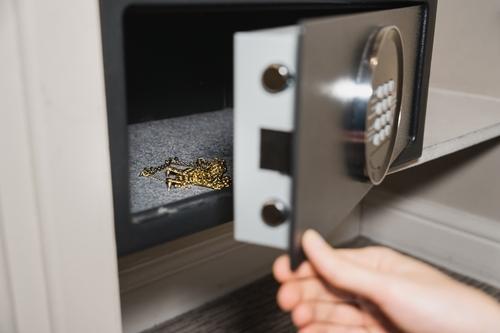
Physical security is essential for high-value collections. A fire-resistant safe with biometric or dual-entry locking provides optimal protection. For maximum security, the safe should be professionally bolted to the floor in a concealed, discrete location. When combined with a detailed inventory and a comprehensive insurance policy, these measures create a robust shield for your assets, ensuring long-term peace of mind and protection against theft or disaster.
Cultivating a Maintenance Routine
Safe storage is only one half of the preservation equation; the other is consistent professional oversight. Before placing items into long-term storage, they should be inspected for loose stones or weakened clasps. Regular check-ups with a master jeweler ensure that any minor wear is addressed before it becomes a significant issue. This proactive approach, coupled with disciplined storage habits, ensures that the story behind every piece in your collection continues to shine with undiminished clarity.
The pursuit of excellence does not end at the moment of purchase; the experts at Benold’s Jewelers are here to help you maintain the breathtaking luster of your private collection. We invite you to visit our showroom to explore our curated selection of professional care products and discover how our bespoke services can help you safeguard your most precious investments.
FAQs
What is the ideal environment (temperature and humidity) for storing different types of fine jewelry?
Fine jewelry should be kept in a stable environment with a temperature of around 18°C to 22°C and a relative humidity of approximately 50%. This prevents organic gems from drying out while protecting metals from the accelerated oxidation caused by excessive moisture.
How should I prepare my jewelry (cleaning or treatment) before storing it for the long term?
Each piece should be gently wiped with a soft, lint-free cloth to remove skin oils, perfumes, and lotions that can corrode metal over time. For a deeper clean, a professional inspection is recommended to ensure no residues are trapped in the settings before they are sealed away.
Are there specific materials or liners I should look for in a jewelry box to prevent damage or tarnishing?
Seek out boxes lined with tarnish-resistant silver cloth or high-quality, acid-free velvet and microfiber. These materials are specifically engineered to neutralize atmospheric sulfur and provide a soft, non-reactive surface for delicate gemstones.
Is it better to store necklaces and bracelets individually or can they be grouped together?
It is always preferable to store necklaces and bracelets individually to prevent tangling and surface scratches caused by metal-on-metal contact. Using dedicated hooks or flat compartments ensures that delicate chains remain straight and structural integrity is maintained.
What are the security considerations when choosing a storage location for high-value watches and jewelry?
A storage location should be discrete, climate-controlled, and equipped with a high-grade, fire-rated safe that is physically anchored to the building’s structure. Additionally, ensure the area is integrated into your home security system to provide real-time monitoring of your most valuable assets.