
What to Know About Preserving Gold Jewelry
Gold jewelry is prized for its luster and value, but its longevity depends on a specific understanding of metallurgy and environmental chemistry. As a relatively soft precious metal, gold is typically alloyed with other metals, such as copper, silver, or zinc, to increase its durability for daily wear. However, these same alloys can react with common household chemicals, perspiration, and environmental pollutants, leading to dullness of the surface or structural stress over time.
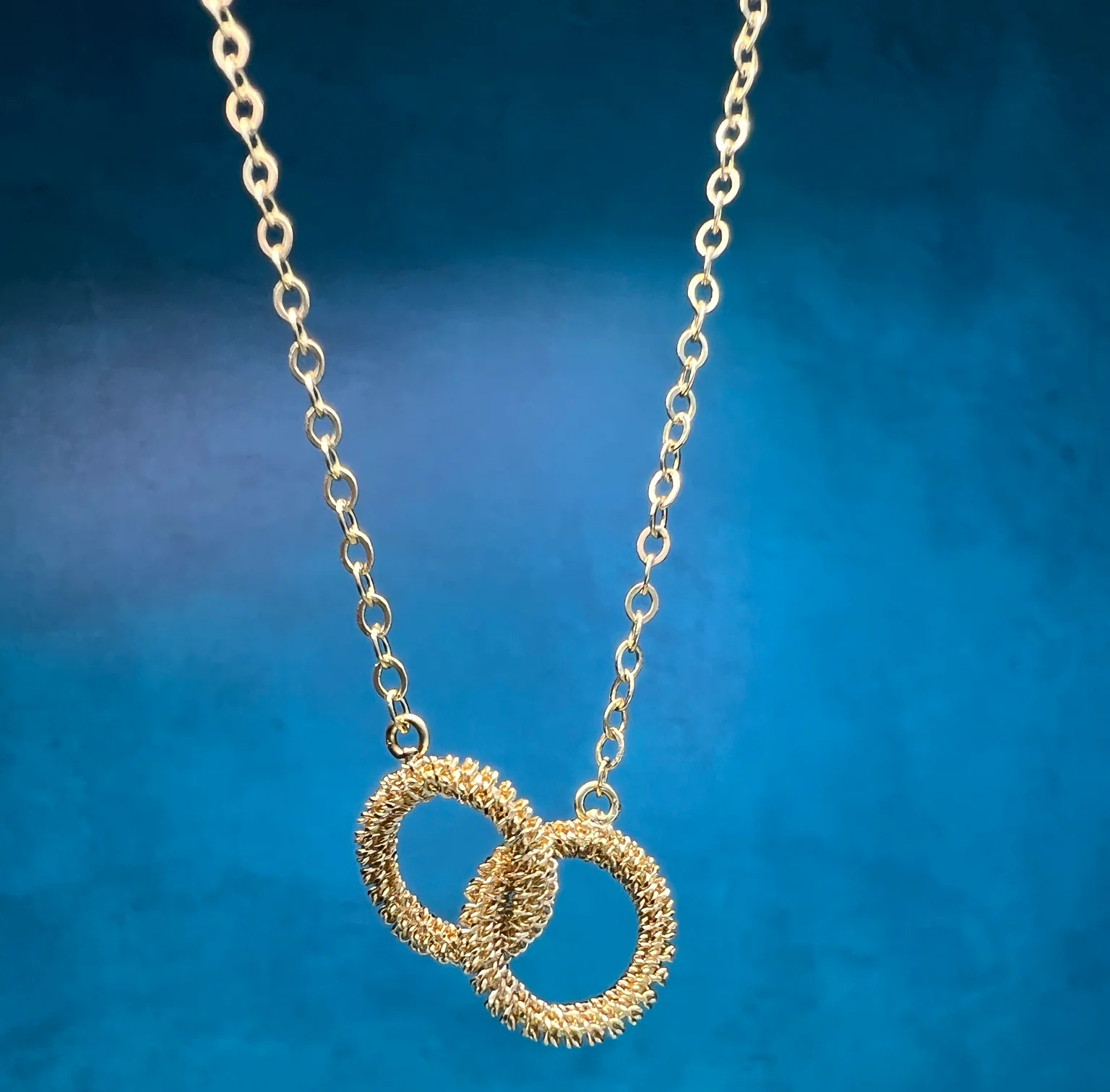
To protect your investment and maintain the metal’s reflective properties, a systematic approach to maintenance is required. This guide provides technical insights into gold jewelry care, covering essential practices for safe handling, professional-grade cleaning methods, and climate-controlled storage techniques designed to prevent tarnish and mechanical wear.
The Fundamentals of Gold Jewelry Care
Preserving gold finishes requires a mindful, preventative approach to daily wear. Given that gold, especially higher karats (18k or 22k), is susceptible to mechanical wear and abrasion, consistent daily habits are crucial to protecting its surface.
The foundational rule of gold jewelry care is “last on, first off,” meaning jewelry should be worn only after applying cosmetics, lotions, and perfumes. This prevents the buildup of chemical residues that obstruct the metal’s reflective properties. Furthermore, to guard against micro-scratches and structural fatigue, always remove jewelry before engaging in manual tasks, exercising, or activities that expose the metal to impact against hard surfaces.
Sophisticated Methods for Storing Gold
The environment in which you keep your collection is just as important as how you clean it. Properly storing gold prevents unnecessary friction between pieces, which is the leading cause of surface wear and tangling in delicate chains. Ideally, each item should reside in its own dedicated space within a climate-controlled setting.
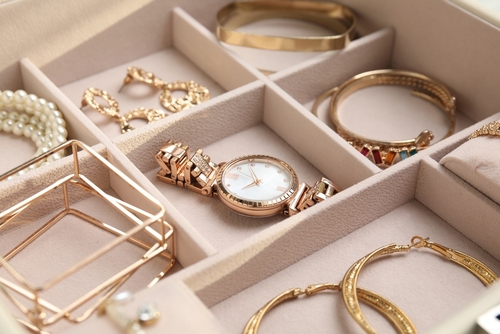
Luxury jewelry boxes lined with tarnish-resistant fabric offer the best protection. For those with extensive collections, individual soft pouches or partitioned trays ensure that a diamond-set piece does not inadvertently scratch a plain gold band. Keeping your jewelry away from direct sunlight and extreme humidity further aids in protecting gold finishes from environmental stress.
The Impact of Chemicals and the Environment
Chemical exposure is one of the most significant threats to the long-term preservation of gold jewelry. Common household substances, including chlorine, bleach, and even some high-end perfumes, can cause stress corrosion or discoloration in gold alloys. These reactions can weaken the metal, potentially leading to loose stones or brittle prongs.
To mitigate these risks, preventative measures such as removing jewelry before swimming in chlorinated pools or using cleaning agents are essential. Furthermore, an annual professional inspection is necessary to identify early signs of chemical erosion or structural instability. Experts can provide specialized deep cleaning and polishing that neutralizes corrosive residues, ensuring that the integrity of the gold alloy and the security of any gemstone settings remain uncompromised.
Long Term Value and Legacy
Gold jewelry represents a lasting legacy, but its enduring beauty and value depend entirely on specific care. Regardless of whether you own solid 14k, white gold with rhodium plating, or rose gold, each alloy requires a specific understanding of its metallurgical properties. Consistent adherence to cleaning and storage protocols is crucial for preventing tarnish and preserving the metal’s integrity for future generations.
Ultimately, thoughtful storage and consistent cleaning are the two essential pillars supporting a lifetime of wear. By applying the recommended practices (such as preventing chemical exposure, minimizing mechanical wear, and ensuring dedicated, climate-controlled storage) you safeguard your favorite pieces. With the right preventative regimen, your gold will retain its unparalleled elegance and serve as a tangible asset for years to come.
At Benold’s Jewelers, we understand that every piece of jewelry tells a unique story and deserves the highest level of care to ensure it lasts for generations. We invite you to visit our showroom for a professional inspection or to explore our curated collection of exquisite gold designs that reflect your personal style.
FAQ
How often should I clean my gold jewelry to maintain its luster?
You should perform a gentle cleaning every few weeks to remove oils and dirt, while seeking a professional deep clean and inspection annually. This frequency ensures that buildup does not become difficult to remove and allows for early detection of wear.
What is the best way to store different types of gold to prevent damage?
The most effective method is to store each piece individually in a soft-lined pouch or a partitioned jewelry box to avoid scratching. For gold-plated items, keeping them in a cool, dry place away from friction is especially critical to preserve the thin layer of gold.
Are there any household chemicals or materials I should absolutely avoid when wearing or cleaning gold jewelry?
You must strictly avoid chlorine, bleach, and harsh abrasive cleaners, as these can cause permanent discoloration and structural damage to gold alloys. Even common items like vinegar or baking soda can be too acidic or abrasive for delicate finishes.
What should I do if my gold jewelry piece is scratched or damaged?
If you notice a scratch or structural issue, you should stop wearing the piece immediately and bring it to a professional for evaluation. Most surface scratches may be addressed through expert polishing, while more significant damage may require a structural repair.