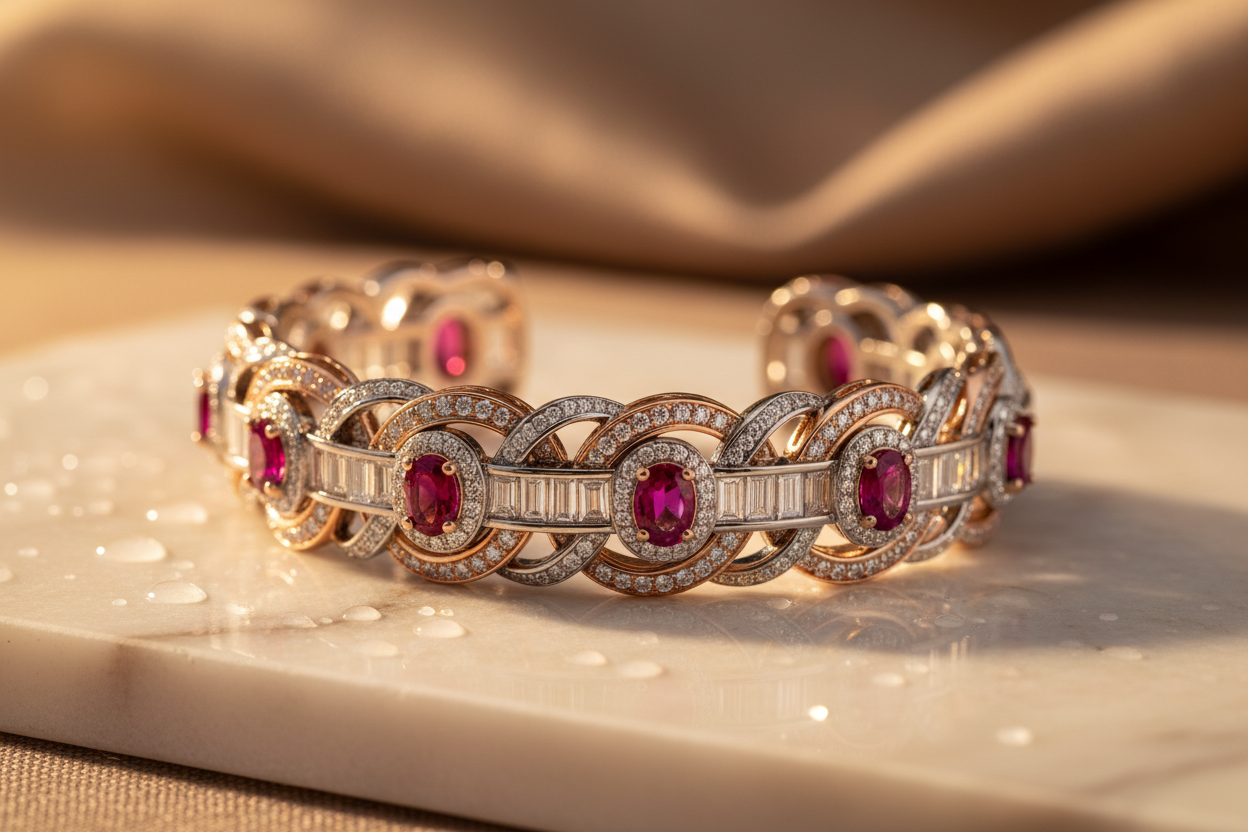
How to Safely Preserve the Shine of Your Bracelets at Home
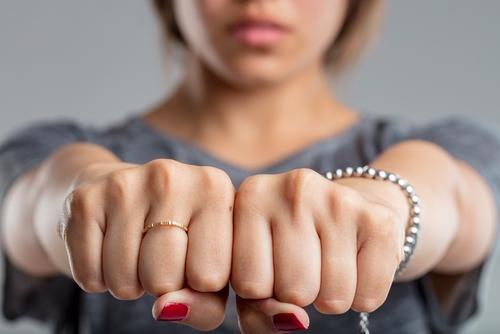
A fine jewelry bracelet is more than a mere accessory; it is a luminous investment that carries memories and personal history. Over time, however, environmental factors, skin oils, and daily wear can dull the radiance of even the most exquisite precious metals and gemstones. At Benold’s, we believe that understanding how to preserve bracelets’ shine is an essential part of ownership, ensuring that your favorite pieces remain as breathtaking as the day you first clasped them around your wrist.
By implementing a few professional-grade habits and using safe jewelry-cleaning methods for bracelets, you can effectively maintain the brilliance of your jewelry from the comfort of your own home. In this guide, we will explore best practices for cleaning, storing, and protecting your bracelets to keep them sparking conversation.
The Golden Rule: Prevention is Key
The most effective way to prevent bracelet tarnish is to be mindful of when you wear your jewelry. Chemicals found in everyday products can create a film that obscures light or, worse, reacts with the metal. Always follow the “last on, first off” rule: your bracelets should be the last thing you put on when getting ready and the first thing you remove at the end of the day.
Safe Jewelry Cleaning for Bracelets at Home
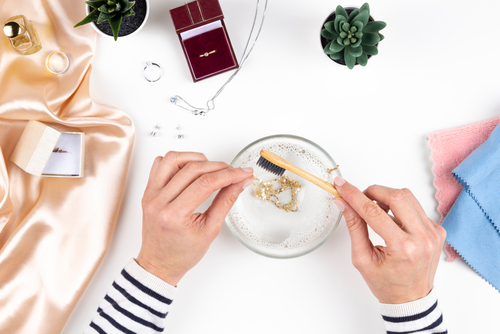
When it comes to bracelet cleaning tips at home, the gentlest method is often the best. For gold and diamond pieces, a bowl of lukewarm water mixed with a few drops of mild, fragrance-free dish soap is effective. Soak your bracelet for ten to fifteen minutes, then use a very soft-bristled toothbrush to gently clear away debris from under the settings. Rinse thoroughly with clean water and pat dry with a lint-free cloth.
How to Restore Shine to Jewelry with Soft Stones
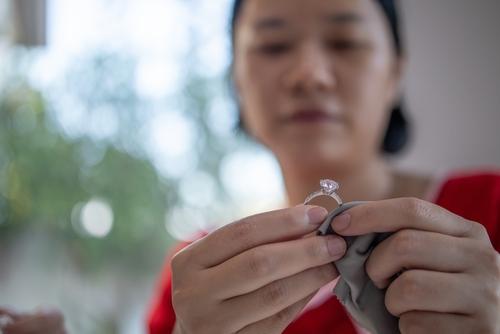
If your piece features porous gemstones like pearls, opals, or emeralds, you must avoid soaking them. These delicate stones can absorb liquids or be damaged by temperature changes. To learn how to restore shine to jewelry of this nature, wipe the stones with a clean, damp, soft cloth after each wear. For sterling silver bracelets, using a dedicated silver polishing cloth is the best way to neutralize oxidation before it turns into a heavy tarnish.
The Best Way to Store Bracelets
Keep them in individual compartments or soft fabric pouches. When bracelets are tossed together in a single bowl, the diamonds on one piece can easily scratch the gold or soft gemstones of another. Furthermore, storing silver in an airtight environment or with anti-tarnish strips is a proven method to prevent bracelet tarnish caused by sulfur in the air.
Experience the Benold’s Standard of Care
While home care is vital, it cannot replace the specialized ultrasonic and steam technology used by a master jeweler. Professional inspection and repair services also ensure your diamond settings remain secure, providing the ultimate strategy for how to preserve bracelets’ shine over a lifetime. At Benold’s, our experts are always available to perform this essential maintenance and provide professional insight, serving as your dedicated partner in preserving the brilliance of your most cherished heirlooms.
Frequently Asked Questions
What are the most effective cleaning solutions and methods for different types of fine jewelry bracelets?
For gold and diamonds, a lukewarm water solution with mild dish soap is effective for removing oils and dirt. However, for porous stones like pearls or turquoise, use a soft, damp cloth to gently wipe the surface to prevent moisture from seeping into the stone’s structure.
How should I properly store bracelets to prevent scratches, tangles, and exposure to elements that cause tarnishing?
The best way to store bracelets is in separate, fabric-lined jewelry box compartments or individual velvet pouches to prevent metal-on-metal friction. To prevent tangling, clasp the bracelet before storing, and keep silver pieces in a cool, dry, airtight space to minimize exposure to oxygen.
What common daily activities or household chemicals should be strictly avoided while wearing fine jewelry bracelets to protect their surface and brilliance?
Avoid wearing fine jewelry while swimming in chlorinated pools, using household bleach, or applying beauty products like sunscreens and perfumes. These substances can cause “stress corrosion,” potentially weakening gold alloys or forming a permanent dull film on gemstone surfaces.
How often should professional cleaning or inspection be sought for fine jewelry to ensure its settings are secure and its shine is maintained?
We recommend a professional inspection and cleaning every six months to one year. A jeweler can use high-frequency ultrasonic cleaners to restore deep luster and, crucially, check the integrity of prongs and clasps to prevent the loss of stones or the bracelet itself.
Are there specific polishing cloths or tools that are safe and recommended for use on various delicate gemstones and metals to restore their luster?
A 100% cotton lint-free cloth or a specialized jeweler’s polishing cloth is the safest tool for daily maintenance. Avoid using paper towels or tissues, as their fibers can cause microscopic scratches on high-polish gold and soft gemstones; for silver, use only cloths treated with anti-tarnish agents.